
Have you noticed green stains creeping across your rendered walls?
It’s a common problem in the UK—and while it looks unsightly, the good news is that it’s rarely permanent. If your render is turning green, you’re most likely dealing with algae, moss, or lichen growth caused by damp conditions.
In this guide, we’ll explain what causes render discolouration, the safest ways to clean it, and how to prevent it from coming back—without damaging your home.
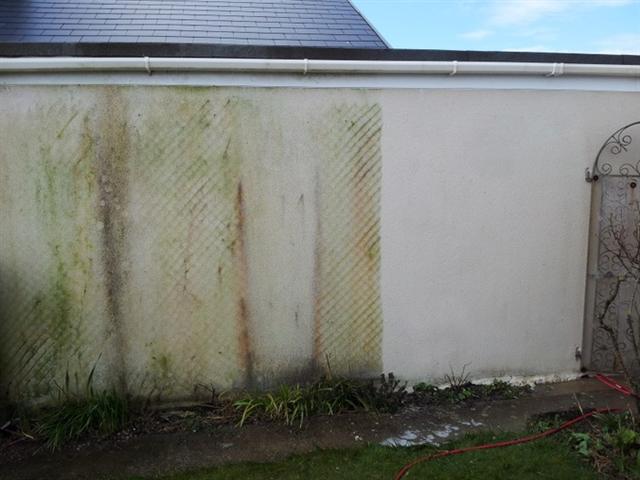
Why Does Render Turn Green?
-
Algae and Organic Growth
Algae thrive in damp, shaded areas. If your walls face north or are surrounded by trees and hedges, they’re especially at risk. Over time, spores settle on the surface and spread, creating a green or sometimes even black discolouration. -
Moisture Problems
Leaky gutters, poor drainage, or driving rain can keep render damp, making it the perfect environment for growth. -
Lack of Maintenance
Render is low-maintenance, but not no-maintenance. Without occasional cleaning, dirt and organic growth will build up. -
Type of Render
Some renders—such as K-Rend and monocouche—are more porous, which means they absorb more moisture and are prone to organic staining (source).
How to Clean Green Render Safely
The wrong cleaning method can damage render permanently. Avoid harsh chemicals and high-pressure washing, which can crack or strip the surface. Instead, try these proven methods:
-
Soft Washing – A low-pressure system that applies a specialist biocide to kill algae and clean render without abrasion.
-
Steam Cleaning – Gentle steam lifts dirt and organic growth while minimising damage.
-
Professional Biocide Treatment – Stops algae regrowth for months or even years.
At Leeksons Render Cleaning, we use these professional techniques to restore render to its original finish without harm.
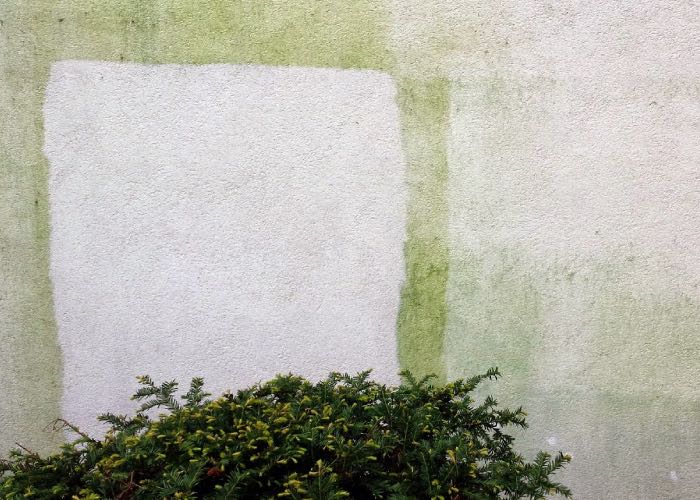
What Not to Do
-
❌ Don’t use a pressure washer at close range—it can crack render.
-
❌ Don’t paint over algae—it will come back through the paint.
-
❌ Don’t ignore leaks or blocked gutters—moisture problems will cause stains to return.
Preventing Green Stains on Render
Once your render is cleaned, prevention is key:
-
Repair leaking gutters or downpipes.
-
Trim back vegetation to improve airflow and sunlight.
-
Schedule regular maintenance cleans (every 12–24 months depending on exposure).
-
Apply protective biocide treatments to slow regrowth (example).
Do You Need Professional Help?
If algae covers large areas, or your render is delicate (such as monocouche, K-Rend, or painted finishes), professional cleaning is the safest option.
Leeksons has years of experience cleaning and restoring render across the South West, using proven soft-wash and steam cleaning methods. Our approach restores your walls’ kerb appeal without risk of damage.
👉 Learn more about our services here: Leeksons Render Cleaning.
FAQs About Render Turning Green
1. Why is my render turning green?
Your render is turning green because of algae or moss growth, which thrive in damp, shaded, and poorly ventilated areas. Moisture from rain, leaks, or blocked gutters encourages the growth.
2. Can I jet wash render?
It’s not recommended. High-pressure jet washing can crack render, remove protective coatings, and cause long-term damage. Soft washing or steam cleaning is safer.
3. How often should render be cleaned?
Most homes benefit from a render clean every 12–24 months, depending on exposure to moisture and shading. Areas in constant shade or near trees may need more frequent maintenance.
4. What is the best treatment for algae on render?
A professional biocide treatment is the most effective. It not only removes algae but also prevents regrowth for an extended period.
5. Can I paint over green render?
Painting over algae or moss is a bad idea. The growth will continue underneath the paint, causing peeling and staining. Always clean render thoroughly before painting.
6. Does render cleaning increase kerb appeal?
Yes—professionally cleaned render can dramatically improve the appearance of your home, making it look brighter, fresher, and well cared for.
Final Thoughts
If your render is turning green, don’t panic—it’s usually caused by algae and moisture, not structural issues. With the right cleaning method and preventative maintenance, you can keep your home looking its best and protect your render for years to come.